
Making things with metal is called metal fabrication. It sounds easy. But many people make small mistakes. These small mistakes can ruin the full metal job. They cost time, money, and safety.
People make metal fabrication mistakes when they cut wrong, weld poorly, pick the wrong metal, or skip a plan. These mistakes can make the metal part weak or broken. Avoiding these steps makes work smooth and safe.
1. Skipping the Design Plan
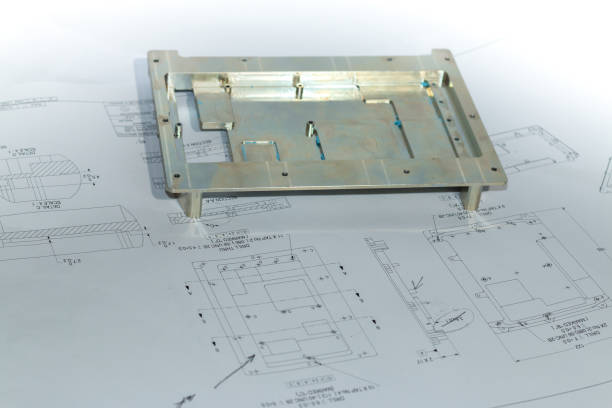
Every metal job must start with a plan. Some people rush. They start cutting without a drawing. They think it will work fine. But it doesn’t.
If there is no plan, parts will not fit. The whole job will need to start again. That means more time and more cost.
Tips to Fix:
- Make a drawing of the full part
- Mark all sizes and shapes
- Plan how each part joins
2. Choosing the Wrong Metal
Each metal works in a different way. Some are soft. Some are strong. Some rust fast. Some stay clean for years. Picking the wrong one can fail the job.
For example, using soft steel for a heavy gate will bend it. Using steel in rain can make it rust fast.
Tips to Fix:
- Use stainless steel for wet places
- Use aluminum for light frames
- Use mild steel for inside jobs
3. Bad Measuring and Cutting
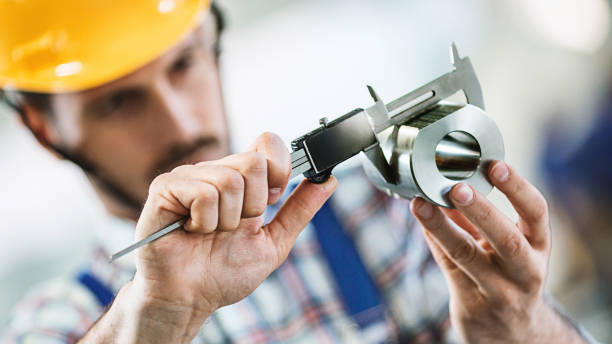
This is one of the biggest metal fabrication errors. If you cut too short, the metal is wasted. If you cut too long, it will not fit.
A small mistake in size becomes a big problem later. Even 1 mm wrong can break the full part.
Tips to Fix:
- Use a tape measure with clear marks
- Check the size two times
- Cut slow and with care
4. Weak Welding or Wrong Weld Type
Welding is the part where we join two metal pieces. A bad weld can crack. It can break when weight is added.
Many new welders use too much heat or not enough. Some use the wrong filler rod. That makes the weld weak.
Tips to Fix:
- Use MIG welding for quick strong joints
- Use TIG welding for clean thin parts
- Train hands to move steady during weld
5. No Quality Check
Even if the job looks good, the inside can be weak. A part may be bent, too thin, or not strong.
No testing means small issues grow big later. A gate may fall. A part may snap.
Tips to Fix:
- Test welds by tapping with hammer
- Check all angles with a square tool
- Run hands on edges to feel weak spots
6. Ignoring Safety
Many workers forget gloves. They skip boots. They do not wear glasses. Metal can cut, burn, and crush. The heat from weld can blind the eyes.
Tips to Fix:
- Wear gloves, safety boots, and weld masks
- Use ear plugs near big tools
- Keep water or fire spray close
7. Not Working as a Team
Metal jobs need many steps. If one person skips or rushes, the others suffer. If one cuts wrong, the welder can’t join the parts.
No teamwork causes confusion. The project fails.
Tips to Fix:
- Talk before starting
- Write tasks for each worker
- Share one clear plan with all
8. Overloading Machines
Some people push machines too hard. They cut thick metal on a weak cutter. Or they bend big sheets in a small bender.
This can break the machine. It also makes bad parts.
Tips to Fix:
- Use tools only for their size limit
- Sharpen blades often
- Oil moving parts before use
Real-Life Case Study 1
A factory in Lahore was building 100 steel frames. They used mild steel for outside use. After rain, all frames started to rust. The job was redone with stainless steel. The mistake cost them one full week and double money.
Real-Life Case Study 2
In a workshop in Karachi, two workers made a stair railing. They did not measure well. The railing was too short. They had to weld an extra piece. That piece broke later. The client complained. The job was lost.
Extra FAQs
Q: What happens if I use soft metal for a heavy job?
The metal will bend. It may crack or even fall. Always use hard metal for heavy jobs.
Q: Can I weld all types of metal?
No. Some metals need special weld types. You can’t weld steel and aluminum with the same method.
Q: How do I know if my weld is strong?
Tap it with a hammer. A clean, sharp sound means strong. A dull sound can mean a crack.
Q: Can bad design cause full failure?
Yes. Bad plans lead to parts that don’t join. This ruins the full structure.
Final Thoughts
Metal fabrication is fun and useful. But only when you do it right. Bad steps can break the project. Always plan first. Measure with care. Weld with skill. Check your work. Wear safety gear. Work with your team.
Doing this will save time. It will save cost. It will make your project strong and safe.