Take a look at any car on the road. From the outer body to the smallest internal parts, metal is everywhere. But raw metal alone cannot create a vehicle. It needs to be shaped, cut, and assembled with precision. This is where metal fabrication plays a vital role.
At Day Metal LLC, the connection between metal fabrication services and the automotive world is clear. Every strong, safe, and reliable vehicle depends on well-crafted metal components.
Let’s explore how this process supports the automotive industry in a practical and easy-to-understand way.
What Is Metal Fabrication in the Automotive Industry?
In simple terms, metal fabrication in the automotive sector means creating parts and structures used in vehicles through processes like:
- Cutting
- Bending
- Welding
- Machining
These processes turn raw materials into usable components that fit perfectly into a vehicle’s design.
According to the Society of Automotive Engineers, precision manufacturing is essential for ensuring safety and performance in modern vehicles.
Why Metal Fabrication Is Essential for Cars
Without fabrication, cars would not exist in their current form. Here’s why it matters so much.
Strength and Durability
Vehicles must handle heavy loads, high speeds, and rough conditions. Fabricated metal parts provide the strength needed to keep everything together.
Safety
Safety is one of the biggest priorities in the automotive industry.
Strong metal structures help:
- Protect passengers during accidents
- Maintain the integrity of the vehicle frame
- Support safety systems like airbags
Proper fabrication processes ensure that every part meets strict safety standards.
Precision and Fit
Every car part must fit perfectly. Even a small error can cause performance issues.
That’s why precision metal fabrication is used to create components with exact measurements.
Key Metal Fabrication Processes Used in Automotive Manufacturing
Different fabrication methods work together to build a complete vehicle.
Cutting and Shaping
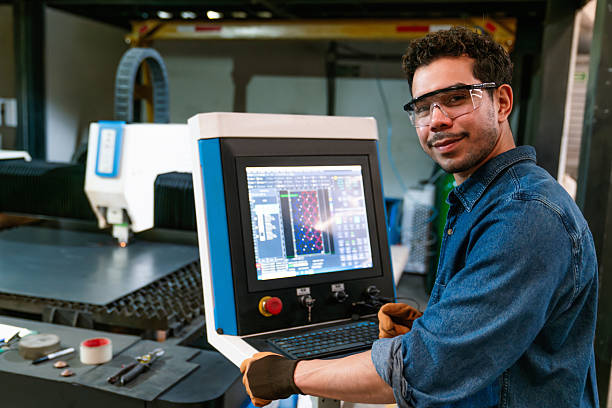
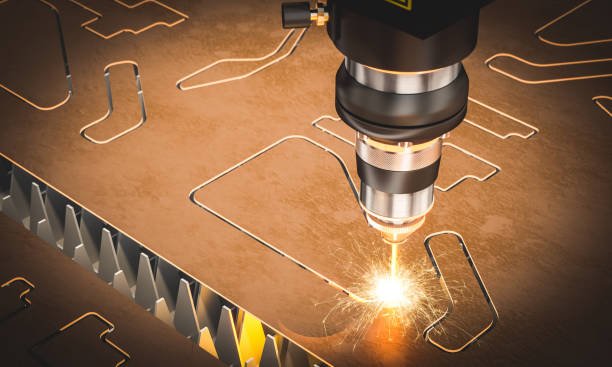
Processes like CNC plasma cutting and laser cutting are used to shape metal sheets into parts.
These methods allow:
- Fast production
- Consistent results
- Reduced material waste
Welding
Welding joins different metal parts to create a strong structure.
It is widely used in:
- Car frames
- Exhaust systems
- Structural components
According to the American Welding Society, proper welding techniques are critical for maintaining structural strength.
CNC Machining and Custom Milling
For detailed and complex parts, custom milling and CNC machining are used.
These processes help create:
- Engine components
- Transmission parts
- Precision fittings
They ensure accuracy and smooth performance.
Bending and Forming
Metal sheets are bent into shapes needed for car bodies and panels.
This process helps create:
- Doors
- Hoods
- Frames
Common Metal Parts in Vehicles
Here are some key parts made through metal fabrication:
| Part | Function |
| Chassis | Main structure of the car |
| Engine components | Power generation |
| Exhaust system | Controls emissions |
| Body panels | Outer appearance |
| Suspension parts | Smooth driving |
Each of these parts depends on high-quality fabrication.
How Metal Fabrication Improves Vehicle Performance
Fabrication does more than just build parts. It also improves how vehicles perform.
Better Fuel Efficiency
Lightweight metals like aluminum reduce overall vehicle weight, improving fuel efficiency.
Improved Durability
Strong fabricated parts last longer and require less maintenance.
Enhanced Design Flexibility
Modern fabrication allows manufacturers to create complex and innovative designs.
The Role of Day Metal LLC in Automotive Fabrication
At Day Metal LLC, the focus is on delivering high-quality metal fabrication services that meet industry needs.
Their approach includes:
- Using advanced cutting and machining techniques
- Maintaining strict quality control
- Working with durable materials
- Ensuring precision in every project
This level of detail helps support automotive applications where reliability is critical.
Real World Example
Think about a car frame.
If it is poorly fabricated:
- It may weaken over time
- Safety can be compromised
- Repairs become costly
But with proper metal fabrication:
- The structure remains strong
- The vehicle performs better
- Safety standards are maintained
This shows how important fabrication is in real-world applications.
Future of Metal Fabrication in the Automotive Industry
The automotive industry is changing fast.
New trends include:
- Electric vehicles
- Lightweight materials
- Advanced automation
According to the International Organization for Standardization, modern manufacturing standards are evolving to support these innovations.
This means metal fabrication will continue to grow and improve.
Final Thoughts
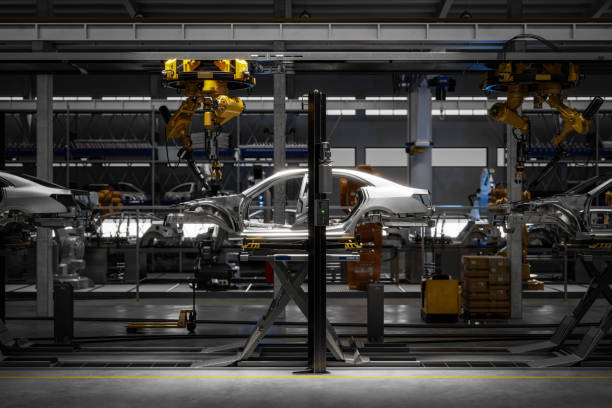
Metal fabrication is the backbone of the automotive industry. It transforms raw materials into strong, precise, and reliable parts that make vehicles safe and efficient.
From cutting and welding to custom milling, every process plays a role in building better cars.
Working with experienced providers like Day Metal LLC ensures that every component meets the highest standards of quality and performance.