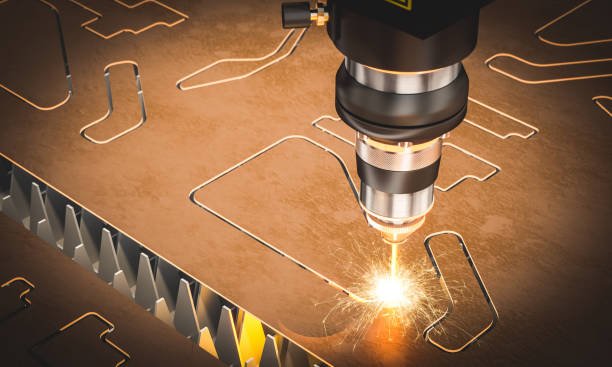
If you’re working on a metal project, one question comes up again and again.
How accurate is CNC plasma cutting?
The short answer is, it can be very accurate when done the right way. But like any process, the results depend on the machine, settings, and the team handling it.
At Day Metal LLC, precision is not just a goal, it’s part of the process. If you want clean cuts, proper fit, and less waste, understanding how CNC plasma cutting works will help you make better decisions.
What Is CNC Plasma Cutting?
Let’s keep it simple.
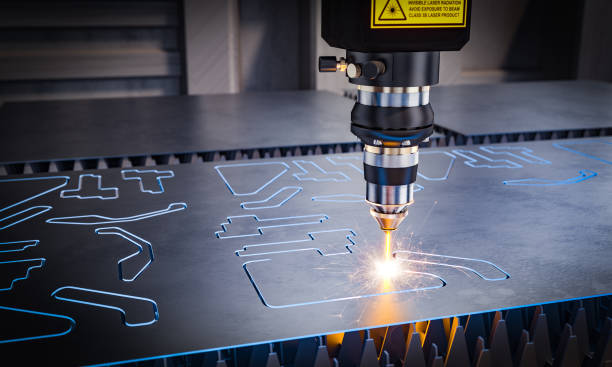
CNC plasma cutting is a method that uses a high-speed jet of hot plasma to cut through metal. The CNC part means the machine is controlled by a computer, so the cuts follow exact designs.
This process is widely used for:
- Steel plates
- Aluminum sheets
- Stainless steel parts
According to the Fabricators & Manufacturers Association, plasma cutting is one of the most efficient methods for cutting conductive metals in modern fabrication.
So, How Accurate Is CNC Plasma Cutting?
Accuracy in plasma cutting depends on a few key factors, but generally, it offers:
- Tolerance range of around ±0.5 mm to ±1.5 mm
- Clean cuts for medium to thick metals
- Good repeatability for large production runs
This level of precision is more than enough for many industrial and commercial applications.
However, it is not as fine as laser cutting when it comes to extremely detailed work.
What Affects Plasma Cutting Accuracy?
Not all plasma cuts are the same. Let’s look at what really affects the results.
1. Machine Quality
High-end CNC machines produce better results. They offer:
- Stable movement
- Better control
- Consistent cutting speed
At Day Metal LLC, advanced equipment helps maintain strong accuracy across different projects.
2. Material Type and Thickness
Thicker metals are harder to cut with perfect precision.
- Thin sheets → higher accuracy
- Thick plates → slightly lower precision
Still, CNC plasma cutting performs very well on heavy-duty materials compared to other methods.
3. Cutting Speed
Speed matters a lot.
- Too fast → rough edges
- Too slow → excess heat and warping
Finding the right balance is key for precision metal cutting.
4. Torch Height Control
The distance between the torch and the metal surface must be correct.
Modern CNC systems adjust this automatically, improving cut quality and consistency.
5. Operator Skill
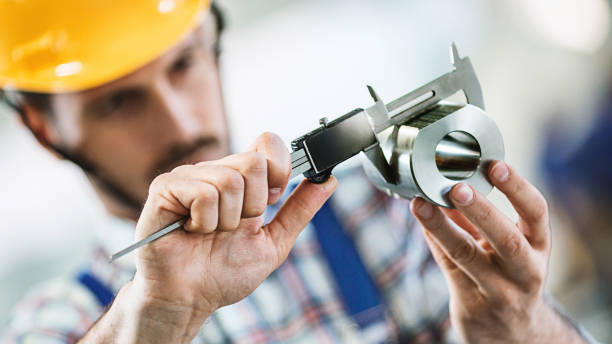
Even with automation, human expertise still matters.
Experienced fabricators know how to:
- Adjust settings
- Choose the right parameters
- Handle complex designs
That’s why working with skilled teams like Day Metal LLC makes a big difference.
CNC Plasma Cutting vs Other Cutting Methods
To understand accuracy better, let’s compare it with other popular methods.
| Cutting Method | Accuracy Level | Best Use |
| Plasma Cutting | Medium to High | Thick metals, fast jobs |
| Laser Cutting | Very High | Thin materials, fine detail |
| Waterjet Cutting | High | No heat impact, complex shapes |
According to the Society of Manufacturing Engineers, each cutting method serves a different purpose depending on precision and material needs.
Where CNC Plasma Cutting Works Best
You don’t always need ultra-high precision. In many cases, plasma cutting services are the perfect choice.
It works best for:
- Structural steel fabrication
- Industrial equipment parts
- Automotive components
- Construction materials
If your project needs speed, strength, and cost-efficiency, plasma cutting is a smart option.
Common Accuracy Issues and How to Avoid Them
Even though CNC plasma cutting is reliable, problems can still happen.
Here are some common issues:
Rough Edges
This happens when speed or temperature is not set correctly.
Solution: Adjust cutting speed and gas flow.
Kerf Width Variation
Kerf means the width of the cut. If it changes, parts may not fit well.
Solution: Use proper calibration and consistent settings.
Heat Distortion
Too much heat can warp thin metal sheets.
Solution: Use correct speed and cooling techniques.
Dross Formation
This is leftover molten metal on the edge.
Solution: Fine-tune machine parameters and torch height.
How Day Metal LLC Ensures Accurate Plasma Cutting
Accuracy does not happen by chance. It requires the right system and attention to detail.
At Day Metal LLC, the focus is on:
- Using modern CNC plasma machines
- Maintaining strict quality checks
- Training skilled operators
- Optimizing cutting parameters for each project
This approach ensures that every cut meets the required standards for metal fabrication services.
Real Life Example
Let’s say you need metal plates for a construction project.
If the cuts are inaccurate:
- Parts won’t align
- Assembly will take longer
- Costs will increase
But with precise CNC plasma cutting, every piece fits perfectly, saving both time and effort.
When Should You Choose CNC Plasma Cutting?
You should go for plasma cutting when:
- You are working with thick metal
- Speed is important
- Budget is limited
- Ultra-fine detail is not required
It offers a great balance between performance and cost.
Final Thoughts
So, how accurate is CNC plasma cutting?
It is highly accurate for most industrial needs, especially when handled by experienced professionals. While it may not match laser cutting in fine detail, it delivers strong, fast, and reliable results for a wide range of projects.
If you want consistent quality and efficient production, working with experts like Day Metal LLC ensures you get the best out of this technology.