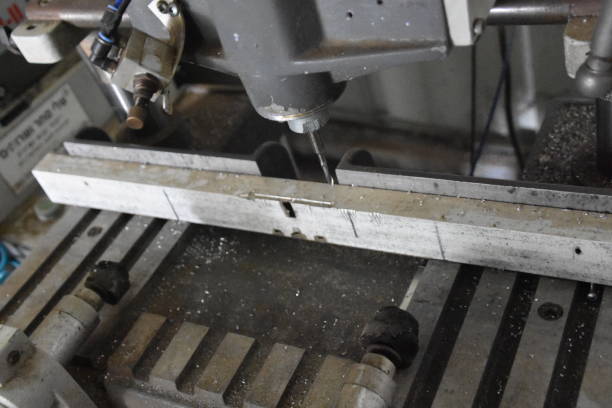
Even with advanced machines and skilled operators, custom milling is not always perfect. Small issues can turn into big problems if they are not handled early. The good news is that most milling problems are common and can be fixed with the right approach.
At Day Metal LLC, solving these challenges is part of daily work. With proper planning and smart techniques, you can improve your results and avoid costly mistakes in precision machining.
Let’s go through the most common problems and how to fix them in a simple and practical way.
Why Problems Happen in Custom Milling
Before we jump into the issues, it’s important to understand why they happen.
Most problems occur due to:
- Wrong material choice
- Poor tool selection
- Incorrect machine settings
- Weak design planning
According to the Society of Manufacturing Engineers, many machining errors are preventable with proper setup and process control.
Problem 1: Poor Surface Finish
What Happens
The final part looks rough instead of smooth. This affects both appearance and performance.
Why It Happens
- Incorrect cutting speed
- Dull tools
- Too much vibration
How to Fix It
- Use sharp and high-quality cutting tools
- Adjust feed rate and speed properly
- Reduce vibration by securing the workpiece
A smooth finish is important in custom milling services, especially for visible or moving parts.
Problem 2: Tool Wear and Breakage
What Happens
Cutting tools wear out quickly or break during machining.
Why It Happens
- Hard material
- High cutting speed
- Poor cooling
How to Fix It
- Choose the right tool for the material
- Use proper lubrication or coolant
- Monitor tool condition regularly
At Day Metal LLC, tool management is handled carefully to maintain consistent performance in CNC machining.
Problem 3: Inaccurate Dimensions
What Happens
The final part does not match the required measurements.
Why It Happens
- Machine calibration issues
- Thermal expansion
- Incorrect programming
How to Fix It
- Regularly calibrate CNC machines
- Double-check design files and code
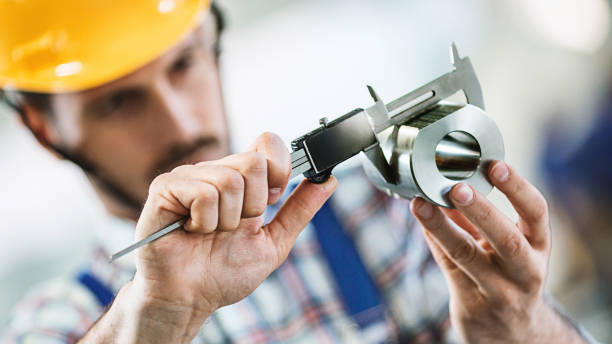
- Use proper measurement tools
According to the International Organization for Standardization, maintaining dimensional accuracy is critical for quality manufacturing.
Problem 4: Chatter and Vibration
What Happens
You hear a loud noise during machining, and the surface becomes uneven.
Why It Happens
- Loose setup
- Incorrect cutting parameters
- Weak tool support
How to Fix It
- Secure the workpiece firmly
- Reduce cutting speed
- Use stronger and shorter tools
Eliminating vibration improves both accuracy and tool life in precision milling.
Problem 5: Material Buildup on Tools
What Happens
Material sticks to the cutting tool, affecting performance.
Why It Happens
- Soft metals like aluminum
- High temperature
- Poor lubrication
How to Fix It
- Use proper coolant
- Select coated tools
- Adjust cutting speed
This issue is common but easy to control with the right setup.
Quick Summary Table
Here’s a simple overview of problems and solutions:
| Problem | Main Cause | Solution |
| Rough surface | Wrong speed or dull tools | Adjust settings, use sharp tools |
| Tool breakage | Hard material, heat | Use coolant, proper tools |
| Wrong dimensions | Calibration issues | Check machine and program |
| Vibration | Loose setup | Secure material, adjust speed |
| Material buildup | Heat, soft metals | Use lubrication, coated tools |
How to Prevent These Problems Before They Start
Fixing problems is good, but preventing them is even better.
Here are some simple tips:
- Plan your design carefully
- Choose the right material
- Use proper tools and settings
- Maintain your machines regularly
- Work with experienced professionals
Prevention saves time, money, and effort in custom milling projects.
How Day Metal LLC Handles Milling Challenges
At Day Metal LLC, these problems are handled with a proactive approach.
Their team focuses on:
- Advanced CNC machines for better control
- Skilled operators who understand material behavior
- Strict quality checks at every step
- Optimized machining strategies
This ensures smooth and reliable results in every metal fabrication service they deliver.
Real Life Example
Let’s say you are manufacturing a custom metal component.
If vibration and tool wear are ignored:
- The part may not meet specifications
- Tools may break, causing delays
- Costs will increase
But with proper setup and monitoring:
- The part is accurate
- The surface is smooth
- Production stays on schedule
This shows how solving small problems leads to better results.
Final Thoughts
Custom milling is a powerful process, but like any method, it comes with challenges. The key is to understand these problems and fix them early.
By focusing on proper setup, material selection, and machine maintenance, you can achieve high-quality results every time.
Working with experts like Day Metal LLC ensures that your project runs smoothly from start to finish, with fewer issues and better outcomes.